Contents
Learning how to negotiate medical bills can help you manage unexpected healthcare costs. Many providers review bills, correct errors, or offer discounts when patients ask clearly.
First, avoid ignoring the balance. Instead, gather your records, confirm what you owe, and contact the right billing department. Moreover, a calm and organized approach gives you more options before the account reaches collections.
How to Negotiate Medical Bills Before You Pay
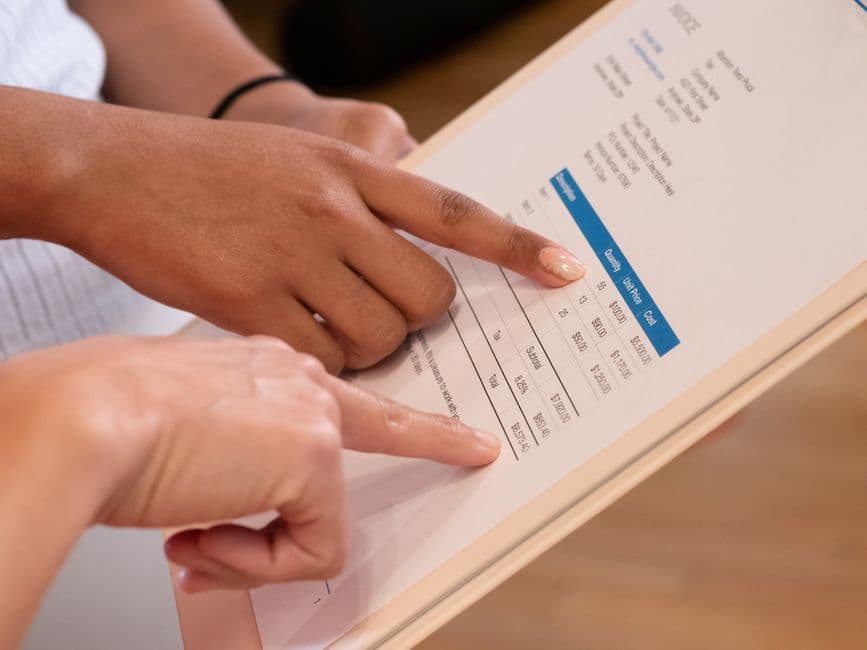
Start by requesting an itemized bill from the hospital, clinic, or physician. This statement should list each service, supply, medication, and charge. Therefore, compare it with your explanation of benefits from your health insurer.
Look for duplicate charges, incorrect dates, canceled services, and services you never received. Also, check whether the provider used the correct insurance information. Even one coding mistake can change your balance significantly.
Next, ask for the billing supervisor or patient financial services team. Explain that you want to resolve the account, then request a formal review. Keep notes about every call, including names, dates, promises, and reference numbers.
How to Negotiate Medical Bills With Your Provider
Ask whether the provider offers a prompt-pay discount, financial assistance, or an uninsured patient rate. Some offices also offer hardship programs for patients who cannot pay the full amount. However, eligibility rules vary by provider.
When you make a request, explain your situation briefly and honestly. You might say, “I want to pay this balance, but I cannot afford the current amount. What discounts or assistance programs can you offer?” A specific question often produces a clearer response.
Do not accept a verbal promise as your only record. Instead, request the new balance and payment terms in writing. You can also learn more here about organizing medical debt and preparing for billing conversations.
UpCardsCredit card comparatorPick 2 cards and see, line by line, what changes between them.Use it →How to Negotiate Medical Bills With Your Insurer
Contact your insurer when the bill differs from your explanation of benefits. Ask why the insurer denied, reduced, or excluded a particular charge. Moreover, request the exact appeal deadline and required documents.
Review your policy’s coverage rules before filing an appeal. Gather medical records, referral documents, prior authorization details, and letters from your provider. Then, explain why the claim deserves reconsideration using facts and policy language.
If the insurer upholds the denial, ask about an external review. The HealthCare.gov appeals guidance explains common steps for challenging certain insurance decisions. Keep copies of every submission and response.
How to Negotiate Medical Bills After a Denial
You can still contact the provider after an insurance denial. Ask whether the office can resubmit the claim, correct a code, or apply a self-pay discount. Therefore, do not assume the first balance represents the final amount.
If you face financial hardship, prepare a realistic payment proposal. Review your monthly income, essential expenses, and available cash first. Then, offer an amount you can sustain rather than promising a payment you may miss.
Ask whether the provider will pause collection activity while reviewing your account. Also, confirm whether interest, late fees, or credit reporting could apply. If the account has reached a collector, request written validation before discussing payment.
How to Negotiate Medical Bills With a Payment Plan
A payment plan can protect your budget when you cannot obtain a larger reduction. Before agreeing, ask about the total number of payments, interest, fees, and consequences of a missed payment.
Choose automatic payments only if your account balance stays reliable. Otherwise, manual payments may give you better control. Furthermore, save each confirmation until the provider marks the balance paid in full.
Finally, ask for a written settlement agreement when you negotiate a reduced lump-sum payment. The document should state the exact amount, due date, and whether the provider will consider the account resolved. Never send money based only on an informal phone conversation.
Common Mistakes to Avoid During Medical Bill Negotiations
Do not pay immediately simply because a bill looks official. First, verify the provider, account number, insurance processing, and service dates. You should also avoid sharing financial details with an unverified caller.
Do not ignore a bill while waiting for an insurance response. Instead, tell the provider that you are disputing the balance and ask how to prevent escalation. Keep communicating, even when the review takes time.
Finally, avoid using credit cards or high-cost loans without comparing alternatives. These products can make a medical balance harder to manage. Consider nonprofit financial counseling if the debt affects your housing, utilities, or other essentials.
Frequently Asked Questions
Can I negotiate every medical bill?
Not every provider accepts discounts, but many review billing errors, hardship requests, or payment plans. Ask about available options before paying.
What should I say when negotiating a medical bill?
Explain that you want to resolve the balance but cannot afford the current amount. Then ask about itemized billing, discounts, financial assistance, and payment plans.
Should I negotiate before or after insurance pays?
Review the bill after insurance processes the claim. However, contact the provider quickly if you notice an error or receive a bill that does not match your explanation of benefits.
Can medical debt affect my credit?
Credit reporting rules can change, and account treatment may depend on the debt and reporting agency. Ask the provider for current written information and monitor your credit reports.
Conclusion
Knowing how to negotiate medical bills starts with reviewing every charge and confirming insurance information. Then, request corrections, discounts, assistance, or affordable payment terms.
Stay organized, communicate in writing, and avoid promises you cannot keep. With patience and clear records, you can often create a more manageable solution without sacrificing essential expenses.