
Contents
Balance transfer card pitfalls can turn a helpful debt strategy into an expensive mistake. These cards may reduce interest for a limited time, but the offer often includes fees, strict deadlines, and important restrictions.
Therefore, review the full terms before moving a balance. This guide explains the most common risks, how transfers affect your credit, and how to build a realistic payoff plan.
Balance Transfer Card Pitfalls That Raise the Cost
The most common risk involves the balance transfer fee. Many issuers charge a percentage of the amount you move. A 3% fee on a $5,000 transfer adds $150 to your balance.
Moreover, some cards charge a higher fee when you transfer a balance after the introductory period. Check the pricing section and calculate the fee before accepting the offer.
Also, compare the transfer fee with your current interest cost. A fee may still save money, but only if you repay the balance before the promotional rate ends.
Balance Transfer Card Pitfalls and Introductory Deadlines
Promotional rates usually last for a fixed period. However, you may need to complete the transfer within a specific number of days to receive that rate.
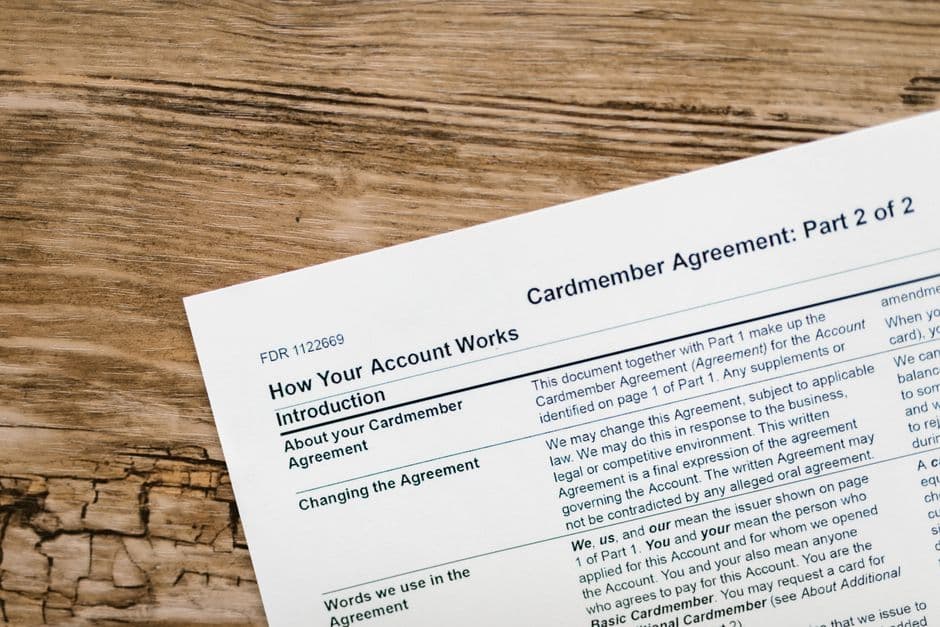
Missing the deadline can make the transferred balance ineligible for the promotion. Therefore, read both the application terms and the cardholder agreement before you move any debt.
Set a calendar reminder several weeks before the offer expires. Then, calculate the monthly payment needed to clear the balance on time. This step creates a clear target.
UpCardsCredit card comparatorPick 2 cards and see, line by line, what changes between them.Use it →How Balance Transfer Card Pitfalls Affect Your Credit
Applying for a new card can create a hard inquiry on your credit report. The inquiry may have a small, temporary effect on your score.
Furthermore, a new account changes your average account age and credit mix. These factors may affect your score, although their impact varies by person.
The transferred balance can also increase your credit utilization on the new card. High utilization may hurt your score, even when the promotional interest rate remains low. You can review general credit guidance from the Consumer Financial Protection Bureau.
Balance Transfer Card Pitfalls After the Promotion Ends
Once the introductory period ends, the regular annual percentage rate applies. This rate can become expensive if you still carry a large balance.
In addition, some cards use different rates for purchases, transfers, and cash advances. Read each rate carefully because the promotional offer may cover only the transferred debt.
Avoid new purchases unless you understand the card’s payment rules. In many cases, carrying a transfer balance can make purchase interest more complicated. You can learn more here about organizing debt payments.
How to Avoid Balance Transfer Card Pitfalls
First, list your current balance, interest rate, transfer fee, and monthly payment. Then, compare those numbers with the new card’s terms.
Next, divide the total balance by the number of promotional months. Add the transfer fee to that calculation. The result shows the minimum monthly amount needed for a full payoff.
Finally, stop adding debt to the old account. Otherwise, you may transfer one balance while creating another. Keep an emergency cushion, and choose a payment amount you can maintain every month.
Questions to Ask Before Transferring a Balance
Ask whether the issuer accepts transfers from your current lender. Some companies restrict transfers between accounts from the same banking group.
Also, confirm when the issuer will complete the transfer. Continue paying your old card until the transfer posts and the account shows the correct balance.
Finally, check for annual fees, late fees, and minimum payment rules. These details can change the value of the entire offer.
Frequently Asked Questions
What is the biggest balance transfer card pitfall?
The biggest risk often involves carrying debt beyond the promotional period. Once the regular rate begins, interest can grow quickly. Therefore, create a payoff schedule before transferring the balance.
Does a balance transfer hurt your credit score?
A balance transfer may affect your score because the application can create a hard inquiry. Your utilization may also change. However, reducing total debt over time can support healthier credit usage.
Can I transfer a balance and make new purchases?
You can, but this choice may complicate repayment. Different balances may have different rates and payment rules. Therefore, avoid new purchases unless you understand the card agreement.
How much should I pay each month?
Divide the transferred balance plus the fee by the number of promotional months. Then, pay at least that amount each month. Add extra money when possible to create a safety margin.
Conclusion
Balance transfer card pitfalls become easier to manage when you check every fee, deadline, rate, and payment rule. A promotional offer works best with a realistic payoff plan.
Therefore, compare the complete cost before applying. If the numbers do not support debt repayment, consider other options and protect your budget first.